

Tidal Forces That Shape the Land
-
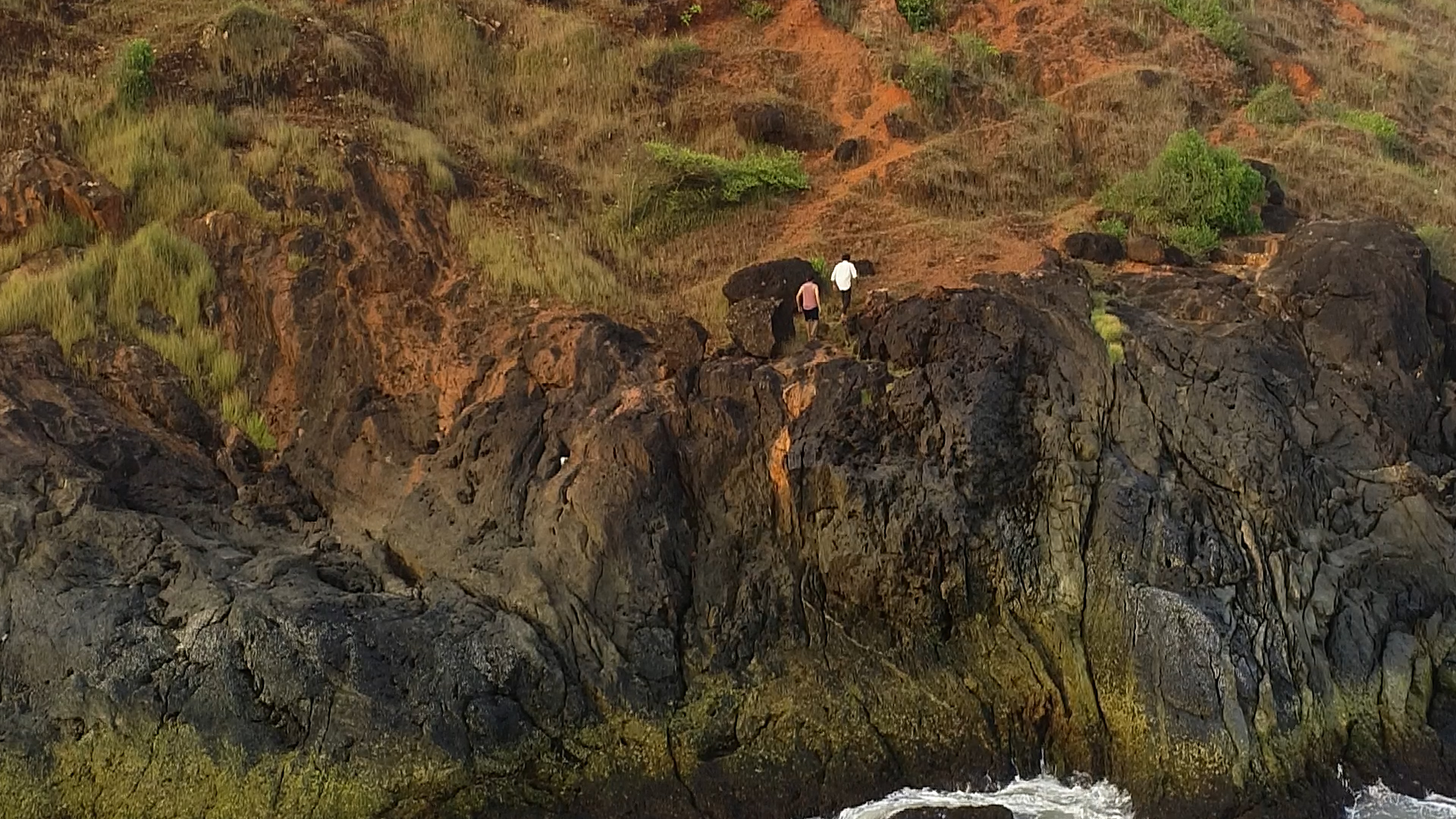
 The estuary's landscape is never static. Twice daily the tide redraws boundaries between salt and fresh, land and water. These continuous natural processes form:
1. Shifting mudflats and sandbanks
2. Coastal mangrove corridors
3.Freshwater-margin wetlands
4. Dynamic sediment fans at the river mouth
Architecture as Energy Strategy
-
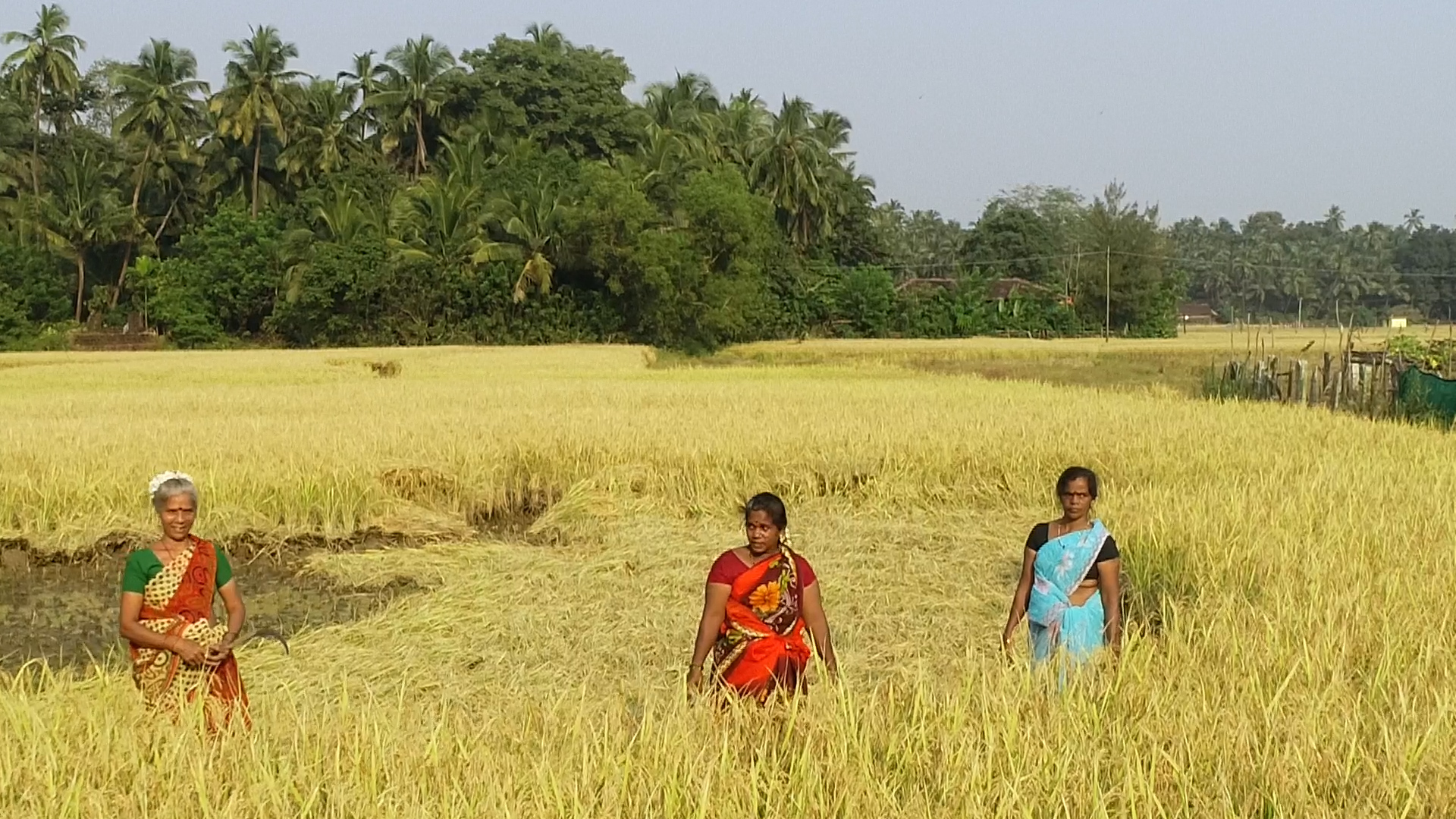
The Western Ghats — one of the world's eight biodiversity hotspots — are the source of the Aghanashini River. The river's life gives the estuary its name, its character, and its reason for being. For Biogen Wellness, stewarding the estuary is not a separate project from community development. It is the same project.