




Biogen Wellness

About Ecology

Living with Nature

A Unique Estuarine Ecosystem

Ecology of the Aghanashini Estuary

he Aghanashini Estuary in Karnataka is one of India’s most ecologically rich and dynamic coastal ecosystems. Formed where the Aghanashini River meets the Arabian Sea, the estuary creates a unique environment where freshwater and seawater interact, shaping diverse habitats that support marine life, local biodiversity, and traditional livelihoods.

This delicate ecological system is influenced by tidal cycles, sediment movement, and salinity gradients, making the estuary a vital ecological corridor for both marine and freshwater species.

Dynamic Estuarine Landscape

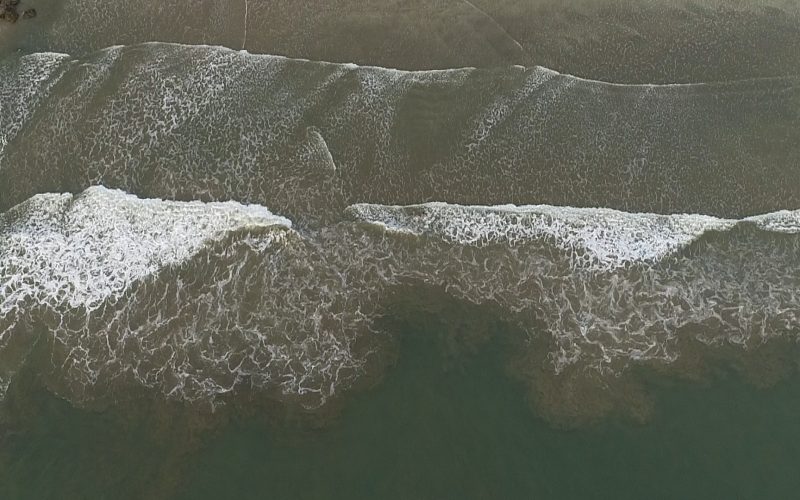
The landscape of the Aghanashini estuary ecosystem is constantly evolving due to tidal movements and river flow.

  • High tides bring marine sediments inland, forming sandy barriers and coastal deposits.
  • Low tides carry sediments from upstream regions caused by soil erosion, deforestation, and human activities.

These continuous natural processes create shifting and cyclic landscapes, which sustain a wide variety of estuarine habitats including mudflats, mangroves, and wetlands.

Salinity Zones and Biodiversity

One of the defining ecological characteristics of the estuary is its salinity gradient. As freshwater mixes with seawater, the estuary forms distinct ecological zones:

  • High salinity zones near the sea
  • Medium salinity zones in the mid-estuary
  • Low salinity zones further upstream


Different aquatic species adapt to specific salinity levels. Many fish, crustaceans, and estuarine organisms move within these zones as conditions change, maintaining the ecological balance of the estuary.

Nursery for Marine Species

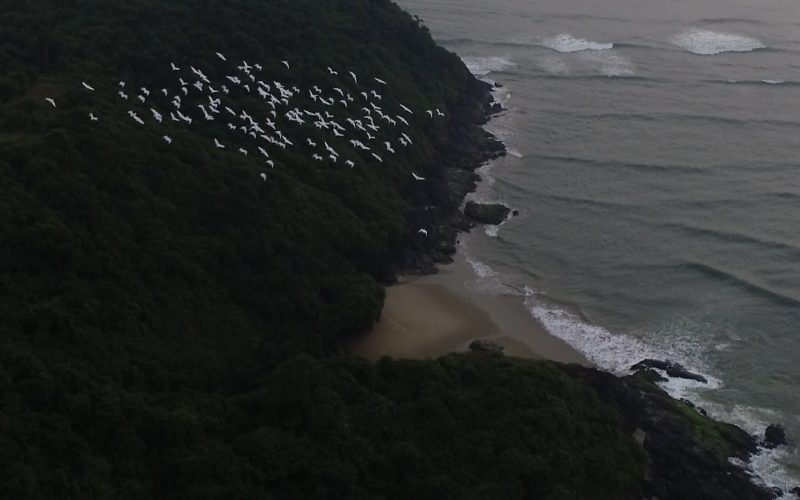
The Aghanashini estuary plays a crucial role as a nursery ground for marine biodiversity.

Many fish species spend their adult life in the sea but return to estuarine waters during their juvenile stages. The calm waters and nutrient-rich environment provide ideal feeding and breeding grounds for young fish and shellfish.

Because of this function, the estuary supports regional fisheries and coastal biodiversity, making it one of the most valuable ecological resources in coastal Karnataka.

Protecting a Fragile Ecosystem​

The ecology of the Aghanashini estuary is sensitive to environmental change. Alterations in sediment flow, declining fish diversity, and reduced shellfish populations highlight the vulnerability of this ecosystem.

Protecting the estuary is vital for marine biodiversity and coastal ecosystems. It also supports the livelihoods of local communities. The estuary preserves cultural heritage and natural resources. Sustainable conservation will help it thrive for future generations.

Traditional Livelihoods and Ecology

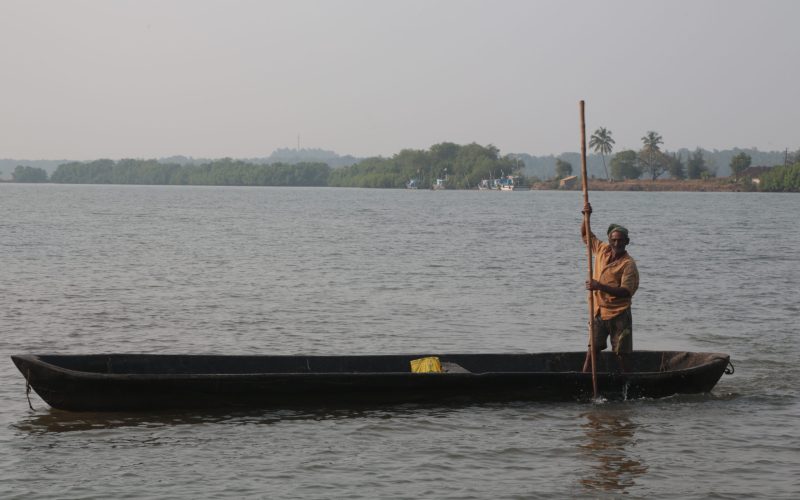
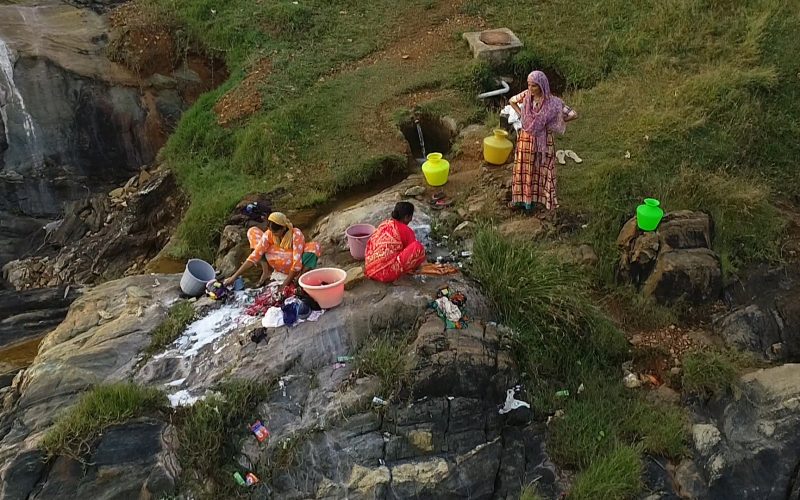
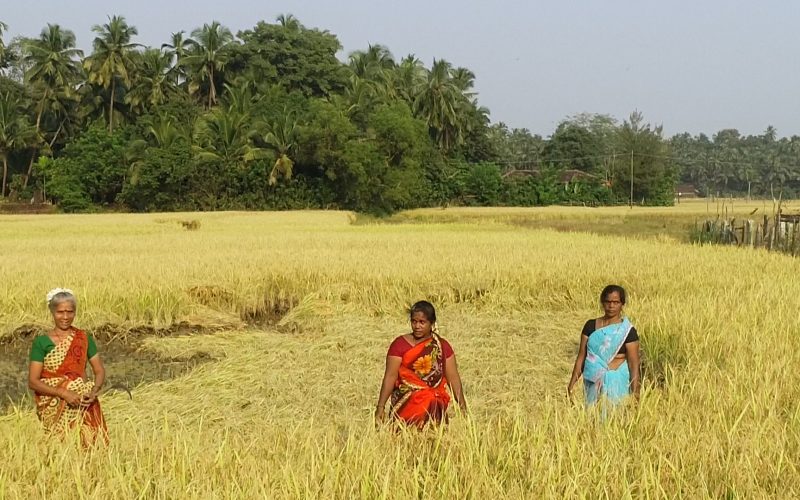
The ecological richness of the estuary directly supports local fishing communities and traditional livelihoods.

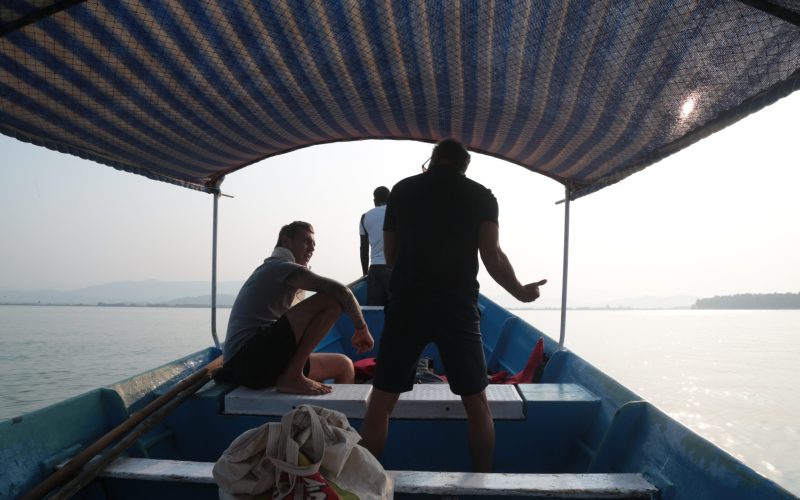
Around 6,000 fishermen from various communities depend on the estuary for their survival, including:

  • Ambiga fishermen living in the mid and upstream villages
  • Harikantra fishermen operating in mid and downstream estuarine waters
  • Dalli fishermen, who are primarily sea-going and fish in high salinity areas

The estuary also sustains traditional salt production, practiced by the Ager community, who have long harvested salt from estuarine waters using indigenous methods.

Peek Into Our Gallery